MELODIES OF UTTARAKHAND

Author name: Tanishq Rawat

best time to badrinath temple
badrinath

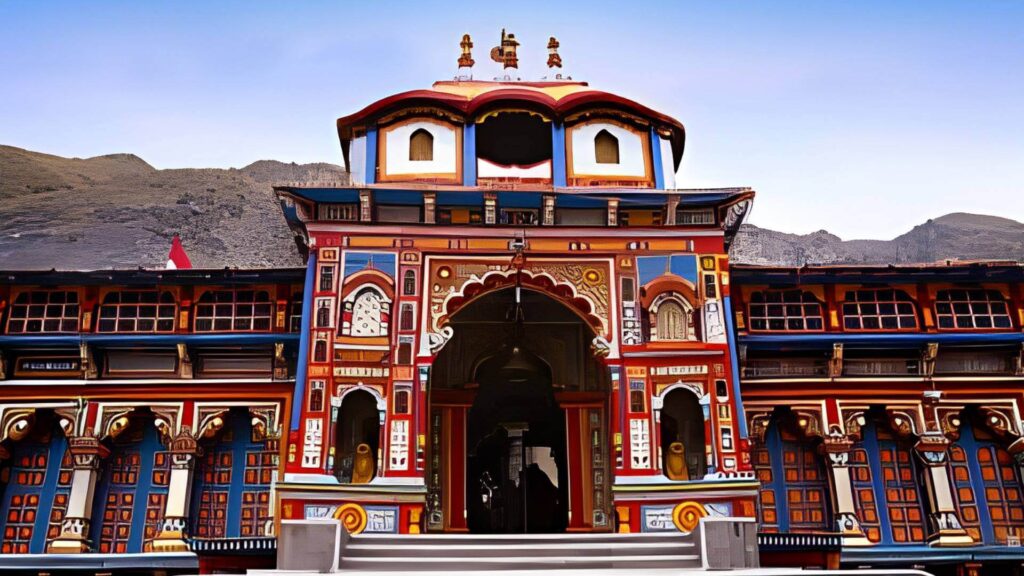
Best Time to Visit Badrinath Temple: Darshan, Weather & Tips

Badrinath is one of the most sacred pilgrimage sites in India, drawing devotees from across the country every year. Located in the high Himalayas of Uttarakhand, the temple is dedicated to Lord Vishnu and is part of the Char Dham Yatra. Because of its high altitude and extreme climate, planning your journey carefully is very important. Knowing the best time to visit Badrinath Temple helps pilgrims enjoy smooth darshan, pleasant weather, and a safer travel experience. From temple opening months to crowd patterns, timing plays a key role in making the yatra peaceful and memorable Best Time to Visit Badrinath Temple The temple remains open only for a limited period each year due to heavy snowfall in winter. Generally, the Best Time to Visit Badrinath Temple falls between May and June and again from September to October. During these months, weather conditions are more stable, roads remain accessible, and darshan is relatively comfortable. Summer marks the beginning of the yatra season, while early autumn offers a quieter spiritual atmosphere after the monsoon. Weather conditions during the yatra season Weather is a major factor when deciding the Best Time to Visit Badrinath Temple. In May and June, daytime temperatures range between 10°C and 18°C, making it suitable for elderly pilgrims and families. Nights can still be cold, so warm clothing is essential. The monsoon months of July and August bring heavy rainfall, increasing the risk of landslides and roadblocks. Because of this, many travelers avoid this period despite fewer crowds. Darshan experience and crowd levels Darshan experience varies greatly depending on the season. During peak months like May, June, and early October, thousands of pilgrims arrive daily. While the spiritual energy is powerful, waiting times can be long. For those seeking a calmer visit, late September is often considered the best time to visit Badrinath Temple, as crowds reduce and the surroundings feel more peaceful. Early morning and evening aarti times offer the most serene darshan experience. Best months for senior citizens and families Senior citizens and families should plan their trip carefully. May, June, and September are usually ideal, as medical facilities, transport services, and accommodation options function smoothly. Choosing the best time to visit Badrinath Temple during stable weather reduces health risks related to altitude and cold temperatures. Slow travel, proper rest, and light meals help older pilgrims adjust better. Temple opening and closing period The temple opens every year around April or May on an auspicious date decided by priests and closes around November due to snowfall. The opening weeks are considered highly sacred, making this phase spiritually significant. Many devotees believe the best time to visit Badrinath Temple is during the opening ceremony, as it marks the start of divine worship after winter closure. Travel tips for a safe journey Preparation is essential for a successful yatra. Always carry warm clothes, rain protection, basic medicines, and comfortable footwear. Booking hotels in advance is recommended during peak season. Staying hydrated and walking slowly helps prevent altitude sickness. These precautions ensure the best time to visit Badrinath Temple becomes a comfortable and fulfilling journey rather than a stressful one. Budget-friendly travel planning Travel costs vary depending on the season. Peak months usually have higher hotel prices and transport demand. Budget travellers may find September ideal, as prices drop while weather remains favourable. Planning smartly allows visitors to experience the best time to visit Badrinath Temple without overspending. Ultimately, the right time depends on your travel purpose. Whether you seek vibrant rituals, peaceful darshan, or comfortable weather, timing shapes the entire experience. By choosing the best time to visit Badrinath Temple wisely, pilgrims can connect deeply with spirituality, enjoy the beauty of the Himalayas, and return with lasting memories of faith and devotion.
Chopta Chandrashila Trek
CHOPTA

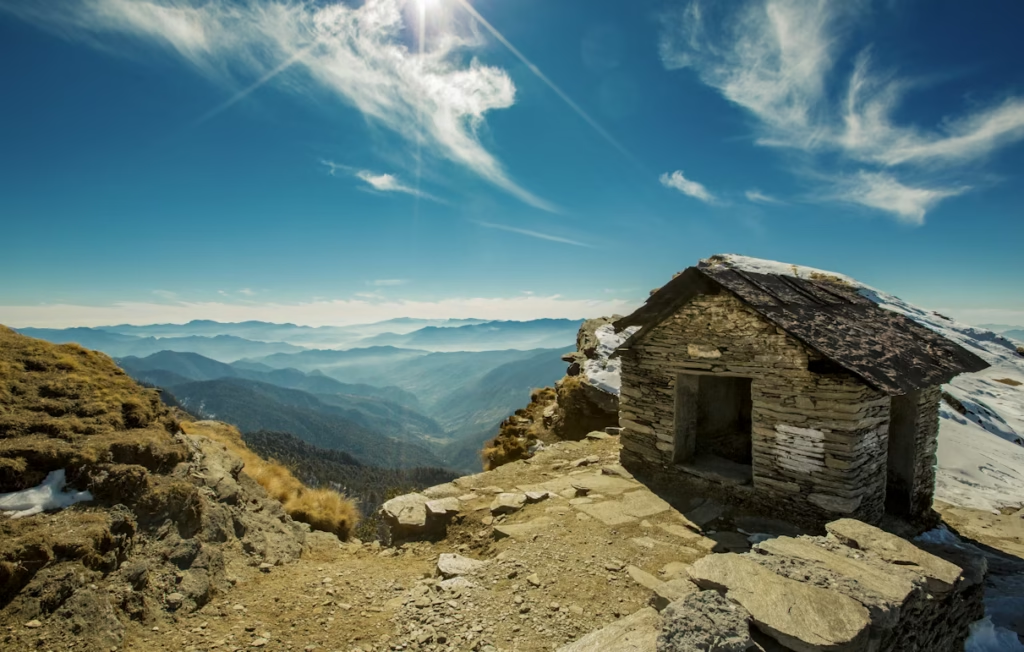
Chopta Chandrashila Trek Travel Guide

The Chopta Chandrashila trek is one of the most scenic and beginner-friendly treks in Uttarakhand, offering a perfect mix of adventure, spirituality, and Himalayan beauty. Starting from the quiet meadows of Chopta, the trail takes you through forests, sacred temples, and panoramic mountain viewpoints. Exploring the Places to visit in Chopta Chandrashila Trek allows travelers to experience nature, culture, and devotion in a single journey, making it a favorite among trekkers and first-time hikers. Places to visit in Chopta Chandrashila Trek Chopta is the base point and among the calmest Places to visit in the Chopta Chandrashila Trek. Surrounded by green meadows and forested slopes, Chopta is known for its fresh air and panoramic Himalayan views. Trekkers usually spend a night here to acclimatise before starting the journey. Early mornings in Chopta are peaceful, with mist floating across the grasslands and distant peaks glowing at sunrise. The trek continues from Chopta to Tungnath Temple, which holds the title of the highest Shiva temple in the world. Located about 3.5 kilometres from Chopta, Tungnath is one of the most sacred places to visit in the Chopta Chandrashila Trek. The stone-paved trail is shared by pilgrims and trekkers, creating a spiritual atmosphere along the route. The temple remains open during summer and autumn and offers a calm resting point. From Tungnath, the trail becomes steeper as it climbs toward Chandrashila Peak. Standing at around 4,000 metres, Chandrashila offers a stunning 360-degree view of Himalayan peaks like Nanda Devi, Chaukhamba, Kedar Dome, and Trishul. This summit is considered the highlight among the places to visit in the Chopta Chandrashila Trek due to its unmatched scenery and peaceful surroundings. Trek Distance and Route Details The total trek distance from Chopta to Chandrashila Peak is approximately 5.5 kilometres one way. Chopta to Tungnath covers about 3.5 kilometres, while Tungnath to Chandrashila is another 1.5 to 2 kilometres. The route is well-marked and safe, allowing trekkers to comfortably explore all places to visit in the Chopta Chandrashila Trek without navigation issues. Difficulty Level of the Trek The Chopta Chandrashila trek is rated easy to moderate. The initial trail is gradual, while the final climb to the summit is steep but short. Anyone with basic fitness can complete the trek and enjoy the places to visit in Chandrashila Trek without technical trekking experience. Best Time to Visit Chopta Chandrashila The best time to attempt the trek is from April to June and September to November. These months offer clear skies, pleasant temperatures, and safe trail conditions. Spring brings blooming rhododendrons, while autumn offers crisp air, enhancing the beauty of the places to visit in the Chopta Chandrashila Trek. Weather Conditions on the Trail Weather changes quickly in the mountains. Summer temperatures range between 10°C and 20°C during the day, with cold nights. Monsoon brings rain and slippery paths, while winter sees heavy snowfall and freezing temperatures. Proper planning helps you enjoy all the places to visit in the Chopta Trek safely. Safety Tips Before You Go Always check weather forecasts before starting the trek. Wear good trekking shoes, and carry warm clothing, water, snacks, and basic medicines. Avoid late evening trekking and stick to marked trails. Responsible preparation protects both trekkers and the fragile ecosystem of the places to visit in the Chopta Chandrashila Trek. Overall, this trek offers more than adventure. It connects travellers with nature, spirituality, and inner peace. Exploring the places to visit in the Chopta Chandrashila Trek creates an unforgettable Himalayan experience filled with beauty, calm, and lasting memories.

Places to visit in Haridwar, Uttarakhand: Ganga Aarti of haridwar
HARIDWAR

Places to visit in Haridwar, Uttarakhand

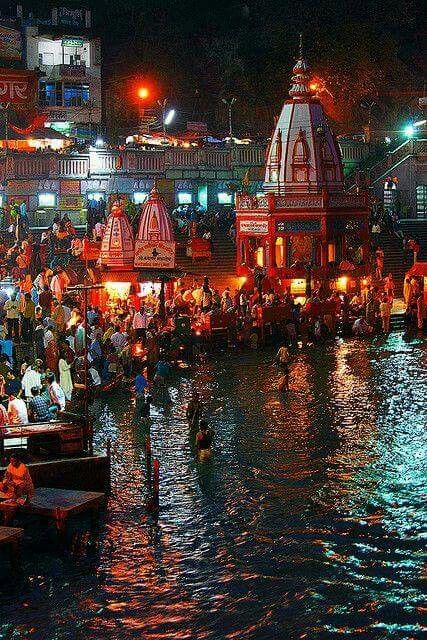
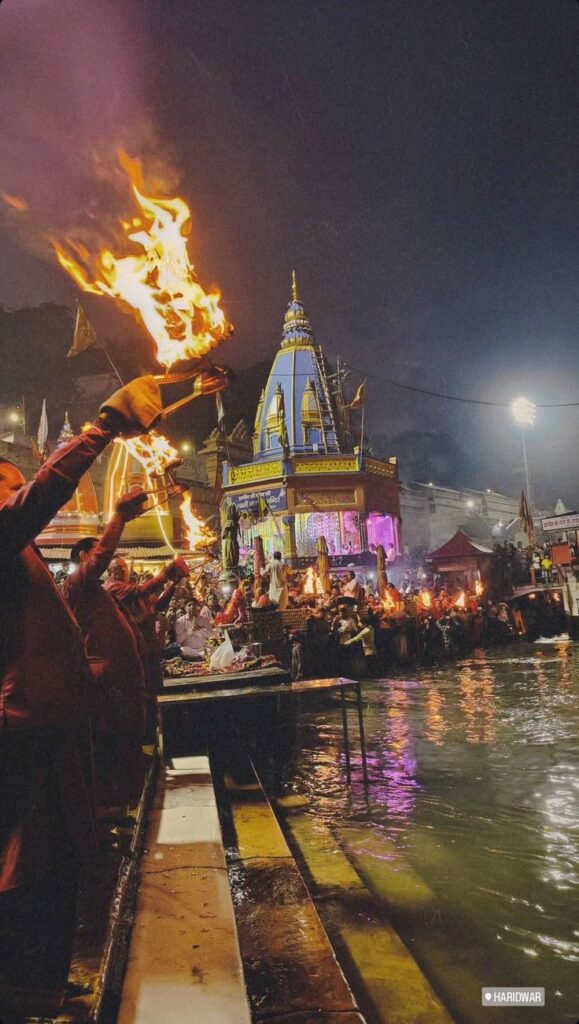
Haridwar is one of the most spiritual and culturally rich cities in India, located in the foothills of the Himalayas along the sacred River Ganga. Known for its ancient temples, holy ghats, and peaceful ashrams, the city welcomes pilgrims and travellers throughout the year. Exploring the many places to visit in Haridwar, Uttarakhand, allows visitors to experience devotion, history, nature, and local culture in one journey. From sacred rituals to quiet riverside walks, Haridwar offers something meaningful for every kind of traveller. Places to visit in Haridwar, Uttarakhand: A Complete Guide Har Ki Pauri is the most famous landmark and among the top places to visit in Haridwar, Uttarakhand. This sacred ghat is believed to mark the spot where Lord Vishnu left his footprint. Every evening, the Ganga Aarti here creates a magical atmosphere as lamps float on the river and chants fill the air. Pilgrims believe a dip in the Ganga at this ghat washes away sins and brings spiritual peace. Mansa Devi Temple is another important attraction, located on the Bilwa Parvat hill. Dedicated to Goddess Mansa Devi, the temple is accessible by ropeway or a scenic trek. Devotees tie sacred threads on the temple branches, believing their wishes will be fulfilled. The panoramic view of Haridwar from the hilltop adds to the experience, making it one of the must-see places to visit in Haridwar, Uttarakhand. Chandi Devi Temple sits atop the Neel Parvat and is dedicated to Goddess Chandi. Like Mansa Devi, this temple is also reached by ropeway or trekking path. The calm surroundings and spiritual energy attract devotees seeking blessings and quiet moments. Visiting both hill temples completes an important pilgrimage circuit in the city. Daksh Mahadev Temple holds great mythological significance and is closely linked to Lord Shiva. Located in Kankhal, this temple marks the site of King Daksha’s yajna. It is one of the oldest temples in the region and among the historically important places to visit in Haridwar, Uttarakhand. The temple complex offers a peaceful environment for prayer and reflection. Bharat Mata Mandir is a unique multi-storey temple dedicated not to a deity but to Mother India. Each floor represents different aspects of Indian culture, history, and spirituality. This temple gives visitors a deeper understanding of India’s heritage and stands out among modern spiritual attractions. Sapta Rishi Ashram is a calm and serene place associated with the seven great sages of Hindu mythology. Located near the river, this ashram is ideal for meditation and quiet walks. It is a perfect spot for travellers looking to escape crowds while exploring lesser-known places to visit in Haridwar, Uttarakhand. Rajaji National Park lies close to Haridwar and offers a refreshing contrast to the city’s spiritual sites. Known for wildlife, forests, and scenic beauty, the park is home to elephants, deer, and many bird species. Nature lovers often include this park while planning places to visit in Haridwar, Uttarakhand, for a balanced travel experience. Gau Ghat and Subhash Ghat are peaceful riverfront spots where visitors can observe local life and perform rituals without heavy crowds. These ghats offer a more relaxed atmosphere compared to Har Ki Pauri and are ideal for photography and evening walks. Local markets near Har Ki Pauri add charm to the travel experience. Selling religious items, handicrafts, sweets, and souvenirs, these markets reflect the cultural soul of the city. Exploring them completes the journey through the many places to visit in Haridwar, Uttarakhand. Overall, Haridwar blends spirituality, culture, history, and nature beautifully. Whether you seek devotion, peace, or exploration, visiting these sacred and scenic spots ensures a fulfilling journey. With thoughtful planning, discovering the places to visit in Haridwar, Uttarakhand, becomes an unforgettable experience filled with meaning and timeless charm.

HAR KI PAUDI
HARIDWAR

Best Time to Visit Haridwar: Weather, Festivals & Travel Tips

Haridwar is one of the most sacred cities in India, located on the banks of the holy River Ganga in Uttarakhand. Known for its spiritual atmosphere, ancient temples, ghats, and religious festivals, the city attracts pilgrims and travellers throughout the year. However, choosing the right season can greatly improve your experience. Understanding the best time to visit Haridwar helps visitors enjoy pleasant weather, attend important festivals, and plan a smooth journey. Each season in Haridwar offers a unique charm, from peaceful winters to vibrant festival months, making timing an important part of travel planning. Best Time to Visit Haridwar: Seasonal Overview The climate of Haridwar is divided into summer, monsoon, and winter seasons. Many travelers feel the best time to visit Haridwar is during winter and early spring when the weather remains comfortable and suitable for sightseeing. From October to March, temperatures stay mild, allowing visitors to explore temples, attend evening Ganga Aarti, and walk peacefully along the river ghats. Winter Season in Haridwar: Ideal for Pilgrims Winter in Haridwar lasts from October to February and is often considered the best time to visit Haridwar for pilgrims and senior travellers. Cool mornings, pleasant afternoons, and calm evenings make temple visits comfortable. The light winter fog adds a spiritual charm, especially near Har Ki Pauri during early hours. Summer Season in Haridwar: What to Expect Summer begins in April and continues until June, with temperatures often crossing 40 degrees Celsius. Although this period is not regarded as the best time to visit Haridwar, devotees still arrive for religious purposes. Early morning temple visits and evening rituals are more comfortable during summer months. Monsoon Season in Haridwar: Green but Challenging The monsoon season arrives between July and September, bringing heavy rainfall and high humidity. While the surroundings become lush and scenic, travel difficulties make this season less favourable when choosing the best time to visit Haridwar. Slippery ghats and unpredictable weather may affect sightseeing plans. Festivals in Haridwar: Spiritual Energy at Its Peak Festivals play a major role in shaping the city’s atmosphere and deciding the best time to visit Haridwar. Events like Kumbh Mela, Ardh Kumbh Mela, and Ganga Dussehra attract millions of devotees. During these festivals, Haridwar transforms into a vibrant spiritual hub filled with rituals and sacred celebrations. Ganga Aarti Experience and Crowd Levels Many visitors believe witnessing Ganga Aarti during festive periods is a once-in-a-lifetime experience and consider it the best time to visit Haridwar for spiritual growth. However, festivals also bring large crowds, higher accommodation prices, and longer waiting times at temples. Travel Tips for a Comfortable Haridwar Trip Proper planning is essential to make the best time to visit Haridwar enjoyable and stress-free. Booking hotels in advance during peak season is highly recommended. Wearing modest clothing, carrying comfortable footwear, and staying hydrated can greatly improve your travel experience. Budget-Friendly Months to Visit Haridwar Budget travellers often prefer shoulder months like September and March. With fewer crowds and lower hotel prices, these months offer a balanced experience while still aligning closely with the best time to visit Haridwar for sightseeing and spiritual activities. Choosing the Right Season for Your Travel Purpose The ideal travel season depends on whether you seek spirituality, festivals, pleasant weather, or budget travel. Careful planning ensures you experience the city’s true essence. By selecting the best time to visit Haridwar, travellers can enjoy its sacred atmosphere, cultural richness, and timeless bond with the holy River Ganga.

River rafting
RISHIEKSH

River Rafting in Rishikesh: Best Season, Cost & Safety Tips

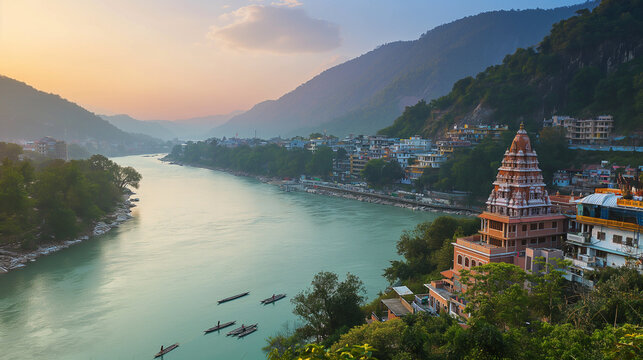
River rafting is one of the most exciting activities that attracts adventure lovers to Uttarakhand. Among all rafting destinations in India, Rishikesh stands out because of its scenic beauty, strong river currents, and professional rafting facilities. River Rafting in Rishikesh is not just about thrill; it is also about enjoying nature, teamwork, and the powerful flow of the holy Ganga. Whether you are a beginner or an experienced rafter, this activity offers something memorable for everyone. Why River Rafting in Rishikesh Is So Popular The popularity of River Rafting in Rishikesh comes from the perfect combination of adventure and spirituality. Surrounded by green hills, calm beaches, and flowing water, rafting here feels both energetic and refreshing. The river has different grades of rapids, making it suitable for first-timers as well as adventure seekers. Another reason people choose River Rafting in Rishikesh is the availability of trained guides and well-managed rafting camps. Best Season for River Rafting in Rishikesh Choosing the right season is very important for a safe and enjoyable experience. The best time for River Rafting in Rishikesh is from late September to early June. During these months, the water level of the Ganga is ideal, and the weather remains pleasant. Spring and early summer, from March to June, are especially popular for River Rafting in Rishikesh because all rafting stretches are open. Monsoon season, from July to mid-September, is usually avoided due to heavy rainfall and strong currents. Rafting activities are often closed during this time for safety reasons. Popular Rafting Stretches in Rishikesh There are several rafting routes available, each offering a different level of difficulty. Short stretches are perfect for beginners, while longer routes are designed for experienced rafters. River Rafting in Rishikesh usually includes famous stretches like Brahmpuri to Rishikesh, Shivpuri to Rishikesh, and Marine Drive to Rishikesh. These routes allow you to enjoy rapids, calm water sections, and stunning riverside views. Cost of River Rafting in Rishikesh The cost of River Rafting in Rishikesh depends on the rafting stretch and distance. Short rafting trips are more affordable, while longer and more challenging routes cost slightly more. On average, prices range from budget-friendly to moderate, making it accessible for most travelers. Many packages also include safety gear, trained instructors, and sometimes transportation. When booking River Rafting in Rishikesh, it is always better to choose a licensed operator rather than going for very cheap options. Safety Tips for River Rafting in Rishikesh Safety should always come first during adventure activities. River Rafting in Rishikesh is generally safe when done with certified operators and proper guidance. Always wear a life jacket and helmet, and listen carefully to the instructions given by your guide. Avoid rafting if you have serious medical conditions or if the weather looks unpredictable. Swimming skills are helpful but not mandatory, as safety equipment is provided. During River Rafting in Rishikesh, following rules and staying calm in the water can make the experience enjoyable and secure. Who Can Enjoy River Rafting in Rishikesh River Rafting in Rishikesh is suitable for most people above the required age limit. Friends, couples, and solo travelers often choose this activity to add excitement to their trip. Even beginners can participate, as guides explain every step clearly. Adventure lovers often combine rafting with camping, trekking, and bonfire experiences. For many visitors, River Rafting in Rishikesh becomes the highlight of their journey. Final Thoughts River Rafting in Rishikesh is more than just an adventure sport; it is a chance to connect with nature and challenge yourself in a safe environment. With the right season, trusted operators, and basic safety precautions, anyone can enjoy this thrilling experience. Planning ahead and understanding the conditions will help you make the most of your rafting trip and create unforgettable memories by the Ganga.

rishikesh image
RISHIEKSH

Best Time to Visit rishikesh: Seasons, Weather & Travel Tips

Rishikesh is one of those places that feels special in every season. Some people come here for yoga and spirituality, while others visit for adventure, nature, and peace. Choosing the Best Time to Visit rishikesh depends on what you want from your trip—pleasant weather, fewer crowds, spiritual vibes, or thrilling activities. This guide explains seasons, climate, and simple travel tips in an easy way so you can plan better. Best Time to Visit rishikesh for Pleasant Weather The most popular time to travel is when the weather is comfortable and outdoor activities feel enjoyable. Many travelers believe the Best Time to Visit rishikesh is when days are sunny, nights are cool, and the Ganga flows calmly. During this period, sightseeing, yoga classes, and riverside walks become more relaxing. Summer Season in Rishikesh (March to June) Summer in Rishikesh starts from March and lasts till June. The temperature usually stays between 25°C and 38°C. Mornings and evenings are still pleasant, but afternoons can be quite hot. Despite the heat, summer attracts adventure lovers from across India. Many people consider this season the Best Time to Visit rishikesh for river rafting because water levels are suitable and all adventure activities remain open. If you plan a summer visit, wear light cotton clothes, use sunscreen, and drink plenty of water to stay comfortable. Monsoon Season in Rishikesh (July to September) Monsoon brings heavy rainfall and fresh greenery to the region. The hills turn lush, waterfalls flow strongly, and the natural beauty increases. However, this season also comes with challenges like landslides, slippery roads, and temporary closure of rafting activities. For nature lovers and peace seekers, monsoon can still feel like the Best Time to Visit rishikesh because the town becomes quieter and less crowded. If you travel during this season, always check weather updates and avoid risky routes. Winter Season in Rishikesh (October to February) Winter is the most preferred season for tourists. Temperatures range from 8°C to 20°C, making it ideal for sightseeing and outdoor exploration. The cool air, clear skies, and calm environment attract yoga students and spiritual travelers from around the world. Many visitors feel winter is the Best Time to Visit rishikesh for yoga retreats, meditation programs, temple visits, and evening Ganga Aarti. Carry warm clothes, especially if you plan early morning walks or late-night outings. Festivals and Events in Rishikesh Rishikesh hosts several spiritual and cultural events throughout the year. The International Yoga Festival, religious fairs, and daily Ganga Aarti add deep cultural value to the experience. Planning your trip during festivals can make the Best Time to Visit rishikesh more colorful and memorable. Crowd Levels and Budget Travel Tips Peak tourist season usually falls between October and March. During this time, hotels and ashrams fill quickly, and prices are higher. Budget travelers may prefer visiting during shoulder months when the Best Time to Visit rishikesh still offers pleasant weather with fewer tourists. Booking accommodations early, choosing guesthouses, and traveling on weekdays can help reduce expenses. Simple Travel Tips for Rishikesh Respect local culture and spiritual rules. Dress modestly near temples and ashrams. Since Rishikesh is a vegetarian city, avoid expecting non-veg food. Keep the environment clean and follow safety instructions during adventure activities. Understanding the Best Time to Visit rishikesh helps you enjoy the city in a safe and relaxed way. Always plan activities according to the season. Final Thoughts on Planning Your Trip Every season in Rishikesh has its own charm. Summer is ideal for adventure, monsoon suits nature lovers, and winter is perfect for spirituality and comfort. The Best Time to Visit rishikesh depends on your travel goals and interests. Think about weather, budget, and experiences before finalizing your plan. Choosing the Best Time to Visit rishikesh wisely will help you create peaceful and unforgettable memories.

Mall road of mussoorie
mussorie

Best Time to Visit Mussoorie: Seasons, Weather & Travel Tips

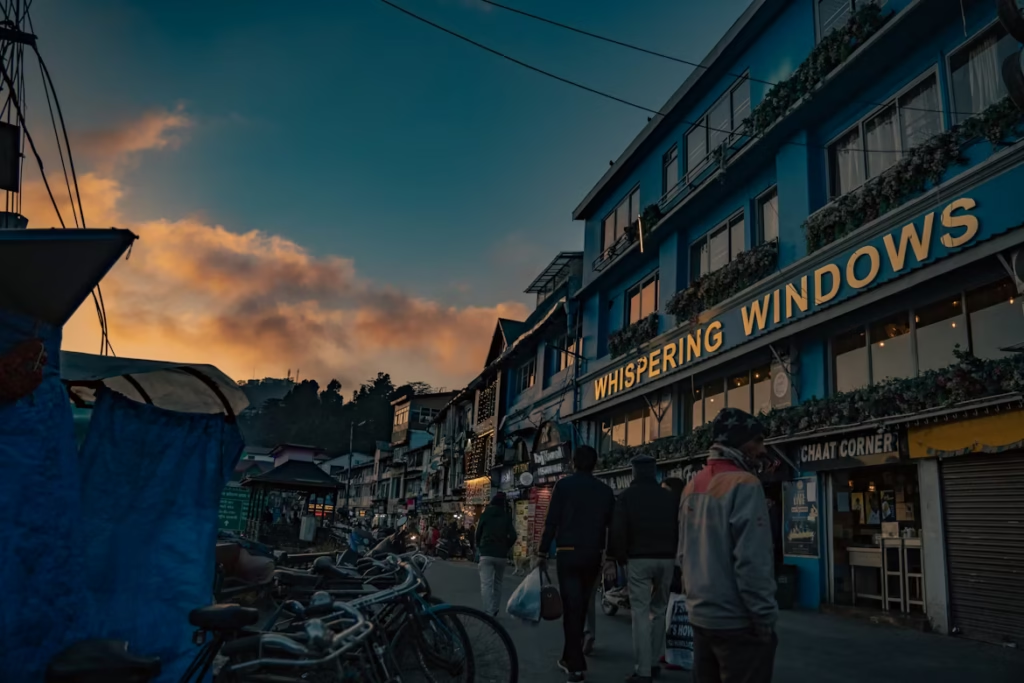
Mussoorie is one of the most popular hill stations in Uttarakhand and is loved for its cool climate, misty hills, and peaceful surroundings. Choosing the Best Time to Visit Mussoorie is important because every season offers a different travel experience. Some visitors come to escape the summer heat, while others plan their trip to enjoy snowfall or quiet mountain walks. Located close to Dehradun, Mussoorie attracts tourists all year round, but understanding its seasons, weather patterns, and travel tips can help you plan a smooth and enjoyable journey Best Time to Visit Mussoorie in Summer (March to June) For most travellers, summer is considered the best time to visit Mussoorie. From March to June, the weather stays pleasant and comfortable, with temperatures ranging from 10°C to 25°C. This season is ideal for sightseeing, family vacations, and outdoor activities. Popular tourist spots like Mall Road, Kempty Falls, Gun Hill, Lal Tibba, and Camel’s Back Road are perfect to explore during this time. People from nearby cities visit Mussoorie to escape the extreme heat of the plains. If you enjoy clear views, cool evenings, and a lively atmosphere, summer can truly be the best time to visit Mussoorie. Best Time to Visit Mussoorie in Monsoon (July to September) The monsoon season turns Mussoorie into a lush green paradise. Many nature lovers believe the Best Time to Visit Mussoorie is during monsoon because of fresh air, misty views, and flowing waterfalls. The hills look more beautiful, and the crowds are fewer compared to summer. This season is perfect for travelers who enjoy calm surroundings and photography. However, heavy rainfall can cause landslides and roadblocks, so extra caution is needed. Budget travelers often prefer this season due to lower hotel prices. With proper planning, monsoon can also be the time to Visit Mussoorie for a peaceful escape. Best Time to Visit Mussoorie in Winter (October to February) Winter gives Mussoorie a magical charm. From October to February, the temperature drops, and December to January often brings snowfall. For snow lovers, winter is considered the time to Visit Mussoorie. Snow-covered roads, foggy mornings, and chilly evenings create a romantic and cozy atmosphere. This season is especially popular among couples and honeymoon travelers. However, cold weather and blocked roads can sometimes affect travel plans. If you are well prepared and enjoy cold climates, winter can easily become the time to Visit Mussoorie for you.  Weather Guide to Choose the Best Time to Visit Mussoorie Weather plays a major role in deciding the time to Visit Mussoorie. Summers are cool and refreshing, monsoons are green and quiet, and winters are cold and snowy. If you prefer sightseeing and pleasant weather, summer is ideal. If you enjoy nature and fewer tourists, monsoon is a good choice. If snowfall and winter views excite you, then winter is perfect. Each season has its own beauty, so the time to Visit Mussoorie depends on your travel style and comfort. Travel Tips for a Comfortable Mussoorie Trip To enjoy the time to Visit Mussoorie, a few travel tips can make your journey smoother. Always carry light woolens, even in summer, as evenings can be cool. During monsoon, pack rain gear and check road conditions before traveling. In winter, keep warm clothes and track weather updates, especially if snowfall is expected. Booking hotels in advance during peak seasons helps avoid last-minute issues. Comfortable walking shoes are recommended, as Mussoorie is best explored on foot. These simple tips will help you make the most of the time to Visit Mussoorie. Final Thoughts on the Best Time to Visit Mussoorie There is no single answer to the Best Time to Visit Mussoorie, as every season has something unique to offer. Summer is lively and pleasant, monsoon is peaceful and green, and winter is cold and magical. Whether you are planning a family holiday, a romantic trip, or a solo break, Mussoorie welcomes visitors in every season. Choose the Best Time to Visit Mussoorie based on your preferences, and you will return with beautiful mountain memories.

image of neem karoli baba mandir
KAINCHI

Kainchi Dham – Neem Karoli Baba Mandir Spiritual Journey Guide for Devotees

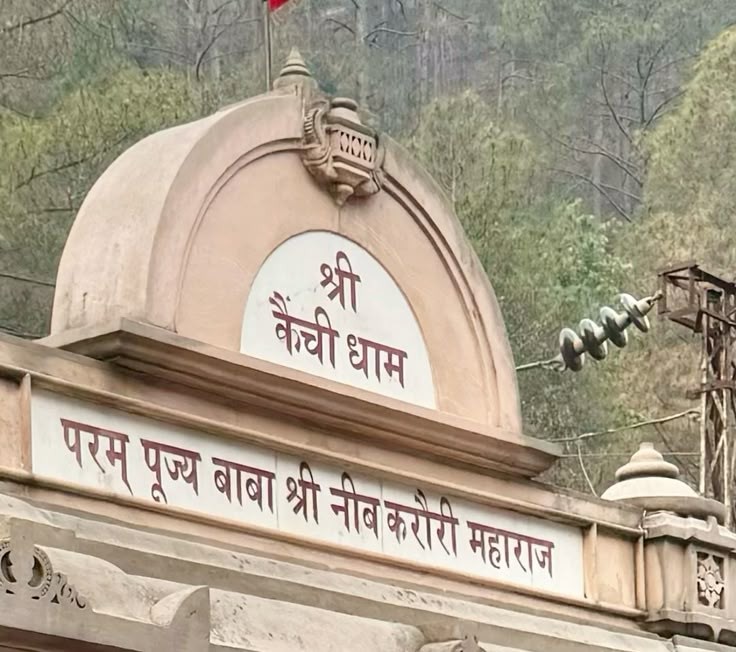
Kainchi dham is one of the most peaceful and spiritually powerful places in Uttarakhand. Located in the calm hills near Nainital, this sacred place is home to the famous neem karoli baba mandir, where devotees come to seek blessings, peace, and inner strength. A visit to kainchi dham is not just about worship, it is about slowing down, feeling silence, and connecting with faith from the heart. Neem Karoli Baba Mandir at Kainchi Dham The neem karoli baba mandir at kainchi dham was established by Neem Karoli Baba, a saint known for his simple life and deep love for humanity. He taught people to live with kindness, service, and devotion. Neem Karoli Baba believed that true spirituality does not need loud words or show, but a pure heart and honest actions. Even today, devotees strongly feel the presence of Neem Karoli Baba inside the neem karoli baba mandir. People often say that sitting quietly here brings calmness and clarity without effort. This is why kainchi dham is considered a powerful spiritual place near Nainital. Spiritual Importance of Neem Karoli Baba Mandir The Kainchi dham holds deep spiritual meaning for devotees. People visit with prayers related to health, family, career, and peace of mind. Many believe that Neem Karoli Baba guides them during difficult times and gives strength to face life’s challenge. Teachings of Neem Karoli Baba Neem Karoli Baba taught very simple values: Love everyone Serve others selflessly Stay humble and honest These teachings are quietly reflected in the peaceful atmosphere of the Kainchi dham mandir. There are no loud rituals, only silence, faith, and devotion. Global Faith For Kainchi Dham Neem Karoli Baba is respected not only in India but also around the world. Many devotees believe that his blessings are beyond boundaries. Famous personalities like Steve Jobs and Mark Zuckerberg visited the Kainchi Dham seeking clarity and spiritual guidance. Despite such recognition, Neem Karoli Baba lived a very simple life. He never claimed spiritual greatness, yet people were naturally drawn to him because of his compassion and wisdom. Natural Beauty Around Kainchi Dham The Kainchi dham is surrounded by green hills, fresh mountain air, and a small river flowing nearby. This natural setting adds to the peaceful energy of kainchi dham. Devotees often say that even sitting silently here feels like meditation. This ashram in Uttarakhand is ideal for those who want peace away from crowded cities and noisy tourist places. How Devotees Can Plan a Visit to Neem Karoli Baba Mandir Kainchi dham is located about 17 kilometers from Nainital and can be easily reached by road. Many devotees prefer visiting early in the morning when the neem karoli baba mandir is quieter and more peaceful. Important Guidelines for Devotees Maintain silence inside the kainchi dham mandir Photography is not allowed in the temple area Dress modestly and respectfully Follow temple timings strictly On special days, especially the foundation day in June, kainchi dham becomes very crowded. Devotees should plan their visit with patience and calmness Devotee Experience at Kainchi Dham Many devotees share that their visit to the neem karoli baba mandir brings emotional relief and inner peace. Some feel clarity in life decisions, while others simply feel lighter and more positive. The calm environment helps devotees connect deeply with their faith. In the end, kainchi dham is a sacred space where devotion feels natural and peaceful. A journey to the neem karoli baba mandir is a meaningful spiritual experience for every devotee. Whether you come with prayers or simply an open heart, kainchi dham leaves you feeling calm, blessed, and spiritually refreshed.

Nainital

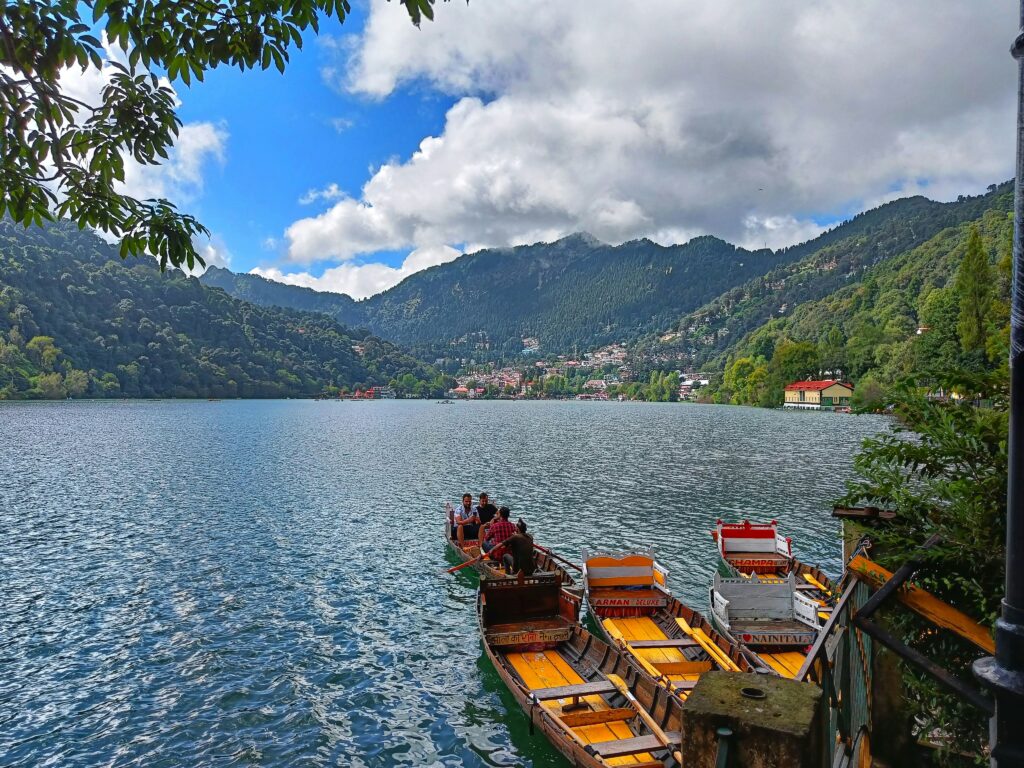
Exploring Nainital Lake: Boating, Views, and Local Fun

Nainital Lake is the heart of the beautiful hill station of Nainital in Uttarakhand. Surrounded by green hills, forests, and the lively town, Nainital Lake creates a perfect balance between nature and local life. Also known as Naini Lake, it is the main attraction for tourists visiting this popular hill destination. From peaceful morning walks to evening boating and lakeside cafés, the lake offers something for every traveler. The calm water, cool mountain air, and scenic views make Nainital Lake a place where people slow down and enjoy the present moment. Whether you are visiting with family, friends, or alone, time spent near the lake feels refreshing and memorable. Natural Beauty and Boating Experience at Nainital Lake The lake is heart-shaped and spreads across an area of about 1.45 square kilometers. Hills rise gracefully around it, creating beautiful reflections on the water, especially during early mornings and evenings. The peaceful environment around Nainital Lake makes it ideal for photography, relaxation, and quiet moments away from city noise. Boating is one of the most popular activities here. Paddle boats, rowboats, and motorboats are available for visitors of all age groups. Families enjoy paddle boating, while couples often choose slow rowboat rides to enjoy the romantic atmosphere. Boating in Nainital Lake allows visitors to experience the surroundings from a different perspective, with hills and buildings reflecting softly on the water. Early morning boat rides offer calm surroundings and fresh air, while evening rides are filled with soft lights and cool breezes. These moments often become the highlight of a trip to Nainital. Mall Road runs along the side of the lake and adds life and energy to the area. This busy street is lined with shops selling handicrafts, woolen clothes, candles, souvenirs, and local products. Cafes and restaurants serve snacks, hot beverages, and traditional street food. Walking along Mall Road near Nainital Lake is a relaxing way to enjoy local culture while taking in beautiful lake views. Several famous sightseeing spots are located close to the lake, making it the center point for exploring the town. Naina Devi Temple, situated at the northern end, is an important spiritual site where visitors experience peace and devotion. Snow View Point, reached by a cable car, offers breathtaking views of snow-covered Himalayan peaks on clear days. Tiffin Top is another popular nearby attraction known for trekking and panoramic scenery. The Nainital Zoo and Eco Cave Gardens are also easily accessible from the lake area, making it convenient for tourists to explore multiple attractions in one day. Best Time to Visit and Travel Tips for Nainital Lake The best time to visit Nainital Lake is from March to June and from September to November. During these months, the weather is pleasant, and the lake surroundings look fresh and vibrant. Summer is ideal for boating and sightseeing, while autumn offers clear skies and beautiful colors, perfect for photography. Winter brings a quiet and peaceful charm to the lake area. Though temperatures can be cold, the calm environment and fewer crowds make it attractive for travelers who enjoy silence and scenic beauty. Reaching Nainital Lake is simple. Kathgodam is the nearest railway station, and Pantnagar Airport is the closest airport. From both places, well-connected roads lead directly to Nainital. Staying near the lake gives easy access to major attractions, shopping areas, and restaurants, making travel comfortable and enjoyable. Nainital Lake is more than just a scenic water body; it is the soul of the hill station. Boating, lakeside walks, local food, shopping, and nearby viewpoints come together to create a complete travel experience. Whether you are visiting Nainital for the first time or returning again, spending time near Nainital Lake captures the true charm of the town and leaves you with lasting memories.

kedarnath

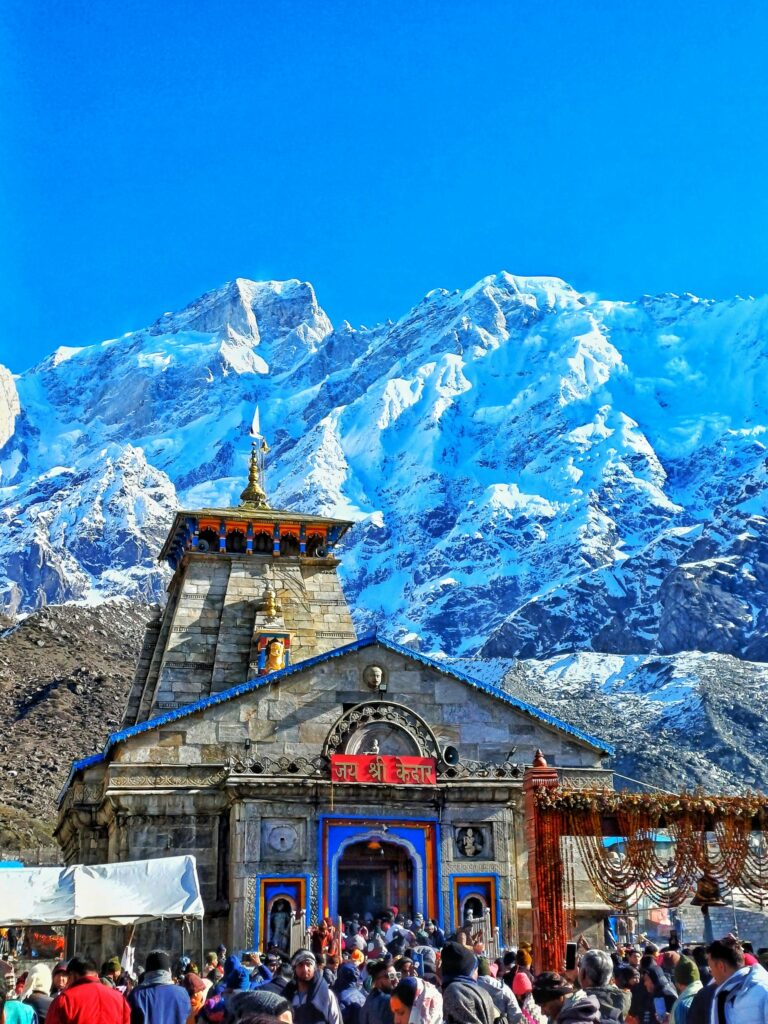
Kedarnath Best Time to Visit | Complete Weather & Travel Guide

Kedarnath is one of the most sacred pilgrimage destinations in India, located high in the Garhwal Himalayas of Uttarakhand. Every year, thousands of devotees and travelers visit this holy place to seek blessings at the Kedarnath Temple and experience the peace of the mountains. If you are planning your journey, knowing the kedarnath best time to visit is extremely important for a safe, comfortable, and memorable trip. This complete guide will help you understand the kedarnath best time to visit, season by season, along with weather details, travel tips, and what to expect during your yatra. Why Choosing the Kedarnath Best Time to Visit Matters Kedarnath is located at an altitude of around 3,583 meters, which means the weather here is unpredictable. Heavy snowfall, rain, and landslides can affect travel plans. That’s why choosing the kedarnath best time to visit helps you avoid harsh conditions and enjoy a smooth spiritual journey. Kedarnath Best Time to Visit: Month-by-Month Guide Summer Season (May to June): Kedarnath Best Time to Visit For most travelers, summer is the ideal time to visit Kedarnath. The temple opens during this period, and the yatra officially begins. Temperature: 5°C to 18°C Weather: Cool and pleasant Experience: Clear views and smooth darshan During May and June, the weather remains stable. The trek is easier, helicopter services run regularly, and facilities are fully available. If this is your first visit, this period is truly the ideal time to visit Kedarnath. Monsoon Season (July to September): Avoid If Possible Monsoon is generally not the kedarnath best time to visit. Heavy rainfall can cause landslides and road closures. Temperature: 7°C to 15°C Weather: Rainy and unpredictable Risk: Slippery paths and delays Although the surroundings look green and beautiful, safety becomes a concern. Unless absolutely necessary, it’s better to avoid monsoon as it is not considered the kedarnath best time to visit. Autumn Season (September to October): Calm and Scenic After the monsoon ends, autumn becomes another kedarnath best time to visit, especially for people who prefer less crowd. Temperature: 0°C to 15°C Weather: Clear skies, cold nights Vibe: Peaceful and spiritual This season offers stunning mountain views and a quieter atmosphere. Many photographers and solo travelers consider this period the kedarnath best time to visit for calm darshan and reflection. Winter Season (November to April): Temple Closed Winter is not the kedarnath best time to visit because the temple remains closed due to heavy snowfall. Temperature: Can drop below -10°C Weather: Extreme cold and snow Temple status: Closed During this time, the idol of Lord Shiva is worshipped in Ukhimath. While Kedarnath itself is inaccessible, devotees can still experience spiritual connection there. Kedarnath Best Time to Visit for Different Travelers Pilgrims: May to June is the ideal time to visit Kedarnath  Senior citizens: Early May or late September Peace seekers: September to October First-time visitors: Summer months only Choosing the kedarnath best time to visit based on your comfort level makes the journey much more enjoyable Simple Travel Tips for Kedarnath Yatra Always carry warm clothes, even in summer Walk slowly to avoid altitude sickness Book hotels and helicopter tickets early Check weather updates regularly These small steps will help you enjoy your trip during the kedarnath best time to visit without stress. Final Words on Kedarnath Best Time to Visit In simple words, the kedarnath best time to visit is May to June and September to October . These months offer good weather, safer travel routes, and a peaceful spiritual experience. Planning your journey during the kedarnath best time to visit allows you to focus on devotion, nature, and inner peace. Kedarnath is a place where faith meets nature. Choose the ideal time to visit Kedarnath, plan well, and let the mountains guide your soul. In simple words, the kedarnath best time to visit is May to June and September to October. These months offer good weather, safer travel routes, and a peaceful spiritual experience. Planning your journey during the kedarnath best time to visit allows you to focus on devotion, nature, and inner peace. Kedarnath is a place where faith meets nature. Choose the kedarnath best time to visit’ plan well, and let the mountains guide your soul.

Scroll to Top